From Army Airfield to Aviation Academy
Bartow’s Flight Into the Future
Photos by Jordan Randall | Developed in partnership with Bartow Executive Airport
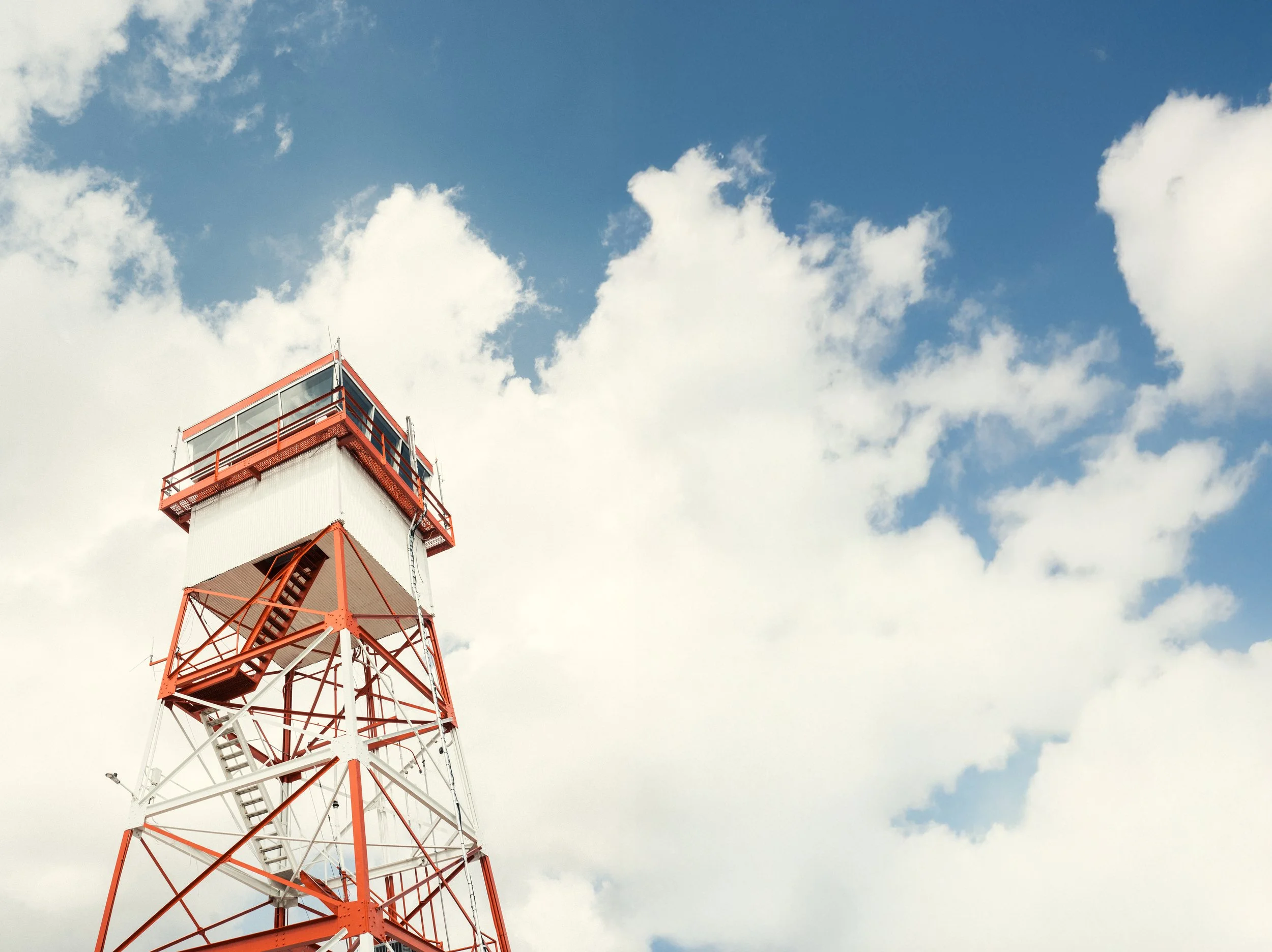
Inside a facility where Army fighter pilots trained in the 1940s, local students will soon be taught on some of the world’s most advanced aviation technology with the goal of developing career-ready professionals and serving municipal airports across the United States.
At the Bartow Executive Airport rigorous testing is ongoing on a 15-monitor 4k system that offers a 360-degree view of an entire airfield. The technology, known as a digital remote air traffic control tower, provides an immersive live feed that tracks airplanes—or even birds and fast-moving clouds. Its cameras utilize 30x optical zoom, and the system includes thermal imaging and real-time data to simulate a physical air traffic control tower, making it possible for aviation professionals to remotely control and manage air traffic at an airfield from virtually anywhere.
“We jumped in very early on this…we are working to commission the first digital air traffic control system in the country outside of one at the Federal Aviation Association (FAA) test lab in Atlantic City, New Jersey…and it has gone well,” says John Helms, Executive Director of Bartow Airport Authority, the city-owned entity that manages Bartow Executive Airport and Bartow Flying Service.
The system also utilizes Automatic Dependent Surveillance-Broadcast technology to provide controllers with a broader view of air traffic around the airport, including nearby areas like Winter Haven and Lake Wales.
Helms said he is excited about future plans to one day provide digital air traffic control services for Winter Haven Regional Airport—which does not have an air traffic control tower—from on-site in Bartow as part of an interlocal agreement.
In the testing phase there would be an employee on site in Winter Haven to provide a second set of eyes as a backup, but the long-term mission is to offer completely remote services that mirror the European Union’s “Digital European Sky” initiative. Helms said the goal is to have the system ready for active control by July 2026.
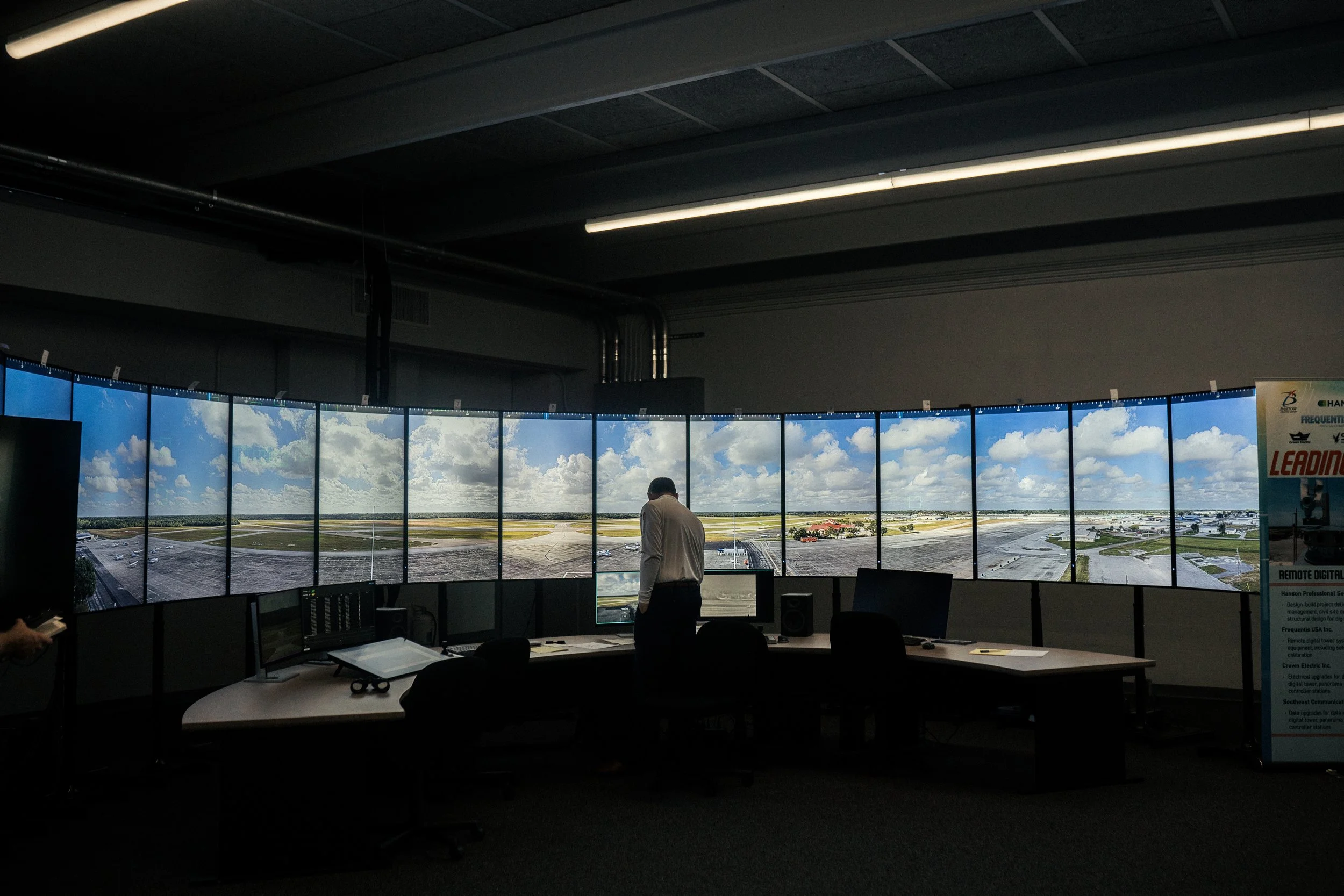
John Helms, Executive Director of Bartow Airport Authority, shows off emerging technology known as a digital remote air traffic control tower that airport staff and Federal Aviation Administration are in the process of testing and hopefully beginning operations in July 2026.
“Where else can you pay [approximately] $25,000 and then 12 months later be in line for a job where you can make $80,000 to $85,000 right off the bat?”
This grand plan is part of the airport’s evolution as a leader in the future of flight that includes the Control Tower Operator Academy it launched earlier this year in partnership with Traviss Technical College.
The one-year program is the first of its kind in the United States. Instructor and veteran control tower operator Randy Clayton is excited to lead a program that meets industry demand, stimulates the economy and provides a straight path to a rewarding career.
“Where else can you pay [approximately] $25,000 and then 12 months later be in line for a job where you can make $80,000 to $85,000 right off the bat?” Clayton says.
Graduates would immediately be eligible to apply for Federal Contract Tower (FCT) air traffic control positions, and after six months in the field can apply for the FAA direct hire program.
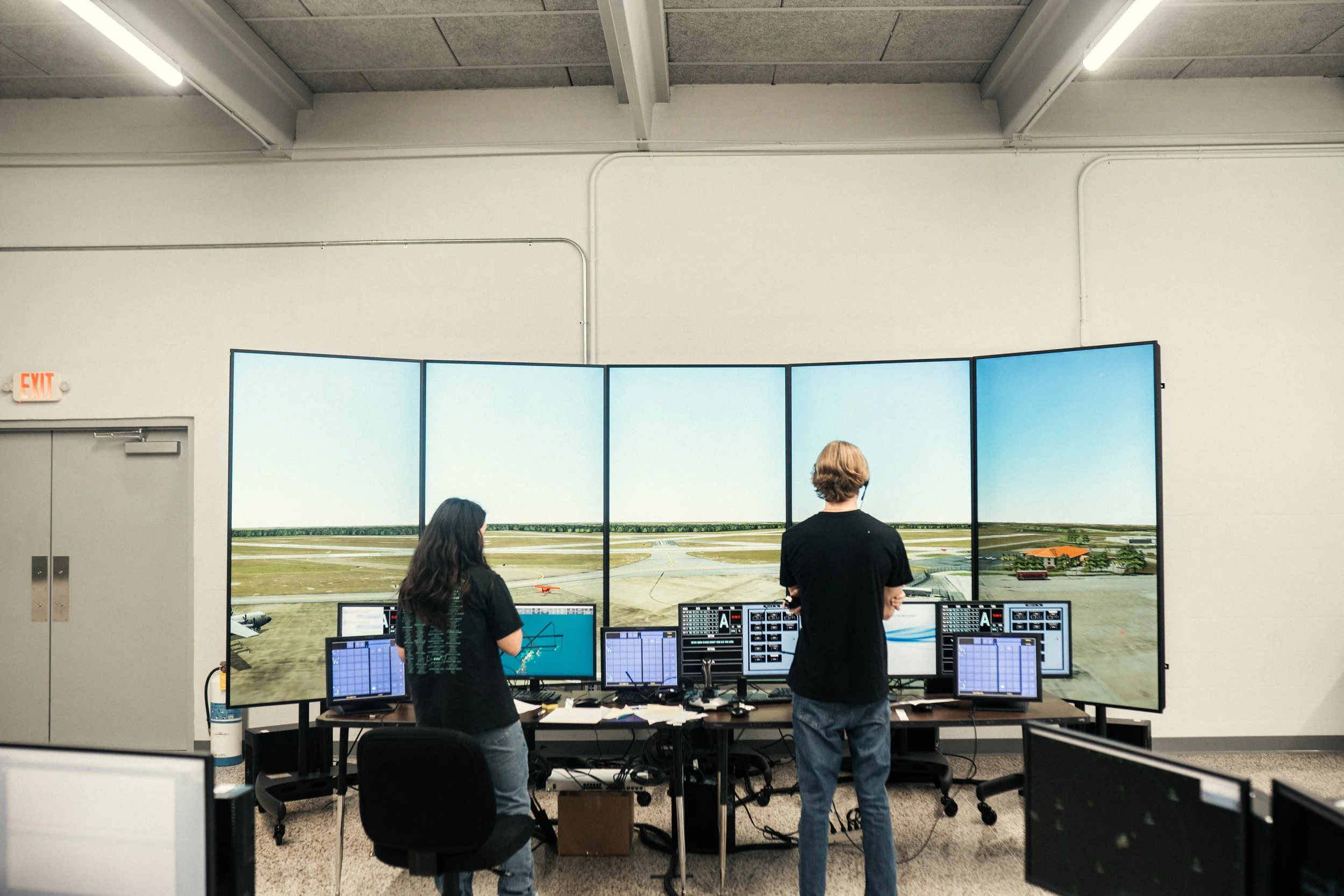
Students of the Control Tower Operator Academy at Bartow Executive Airport enroll in a 12-month program where they can earn a certificate that leads to direct career opportunities.
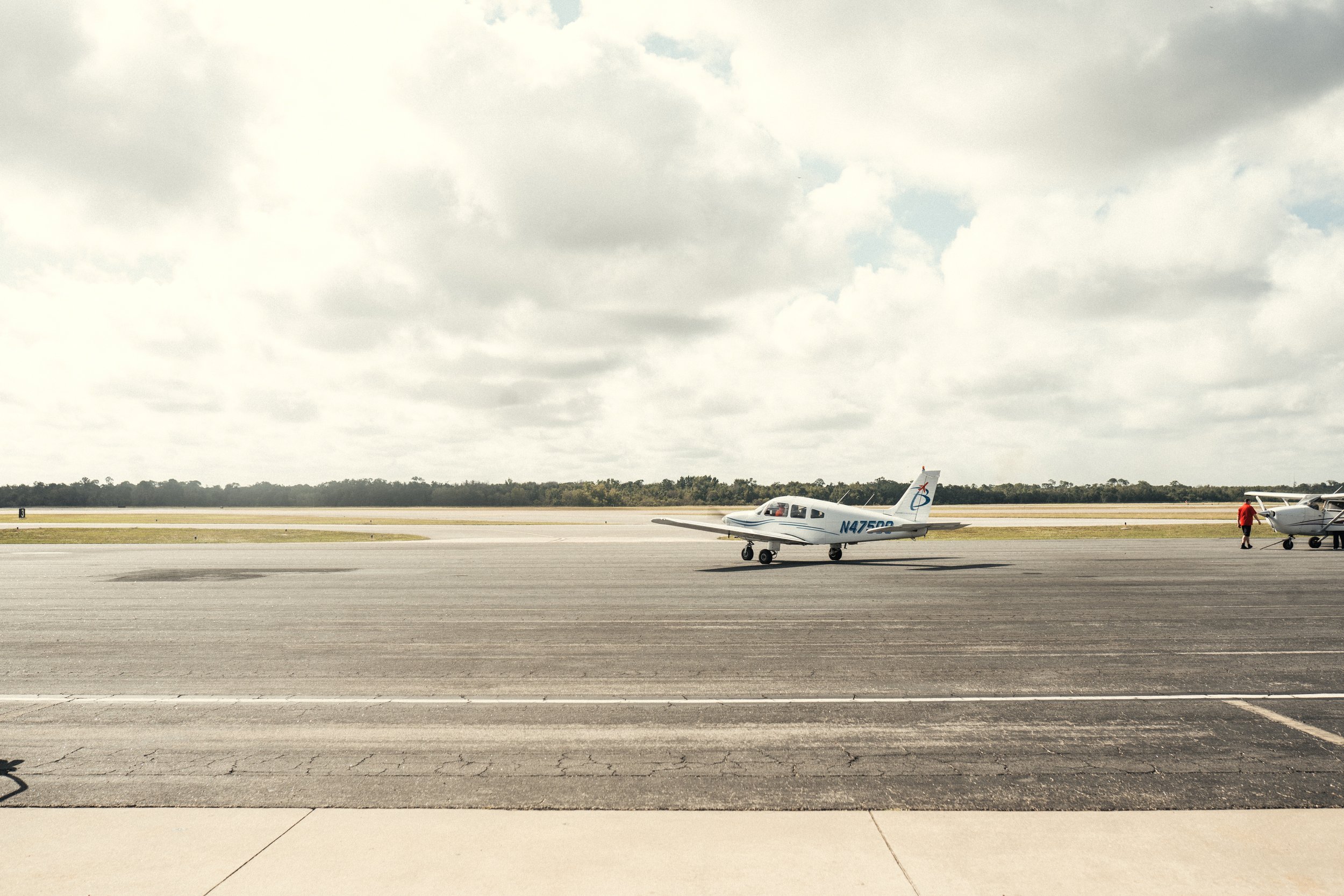
The academy is just one example of the impressive array of activities happening every day at a facility that sits on 1,984 acres and includes an industrial park of more than 90 structures.
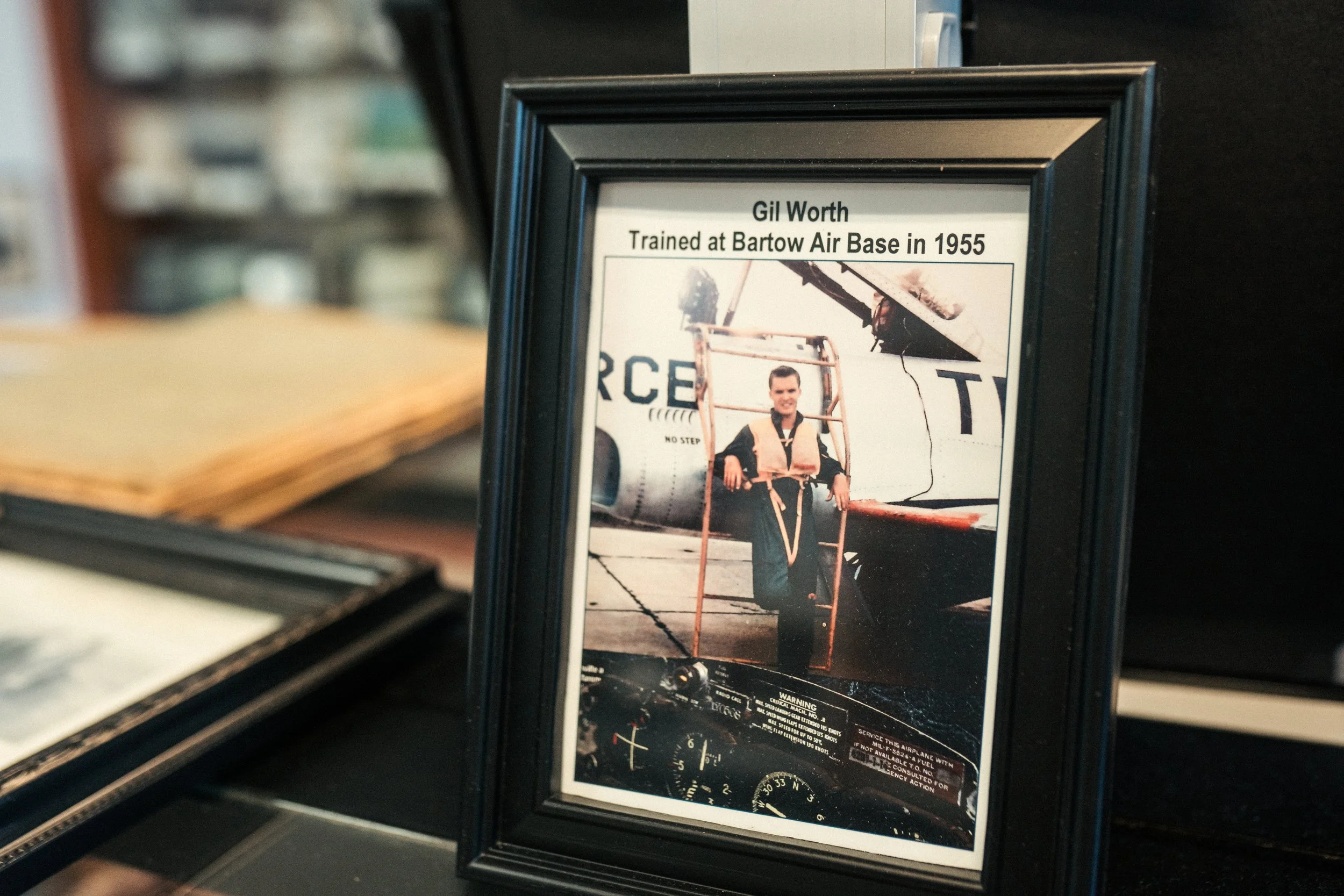
The Bartow Airport Authority provides all aircraft services including parking, handling, fueling, itinerant services and ground towing, and Bartow Flying Service includes a flight school that has been training pilots since 1943, including notable alumni like Buzz Aldrin and Ed White.
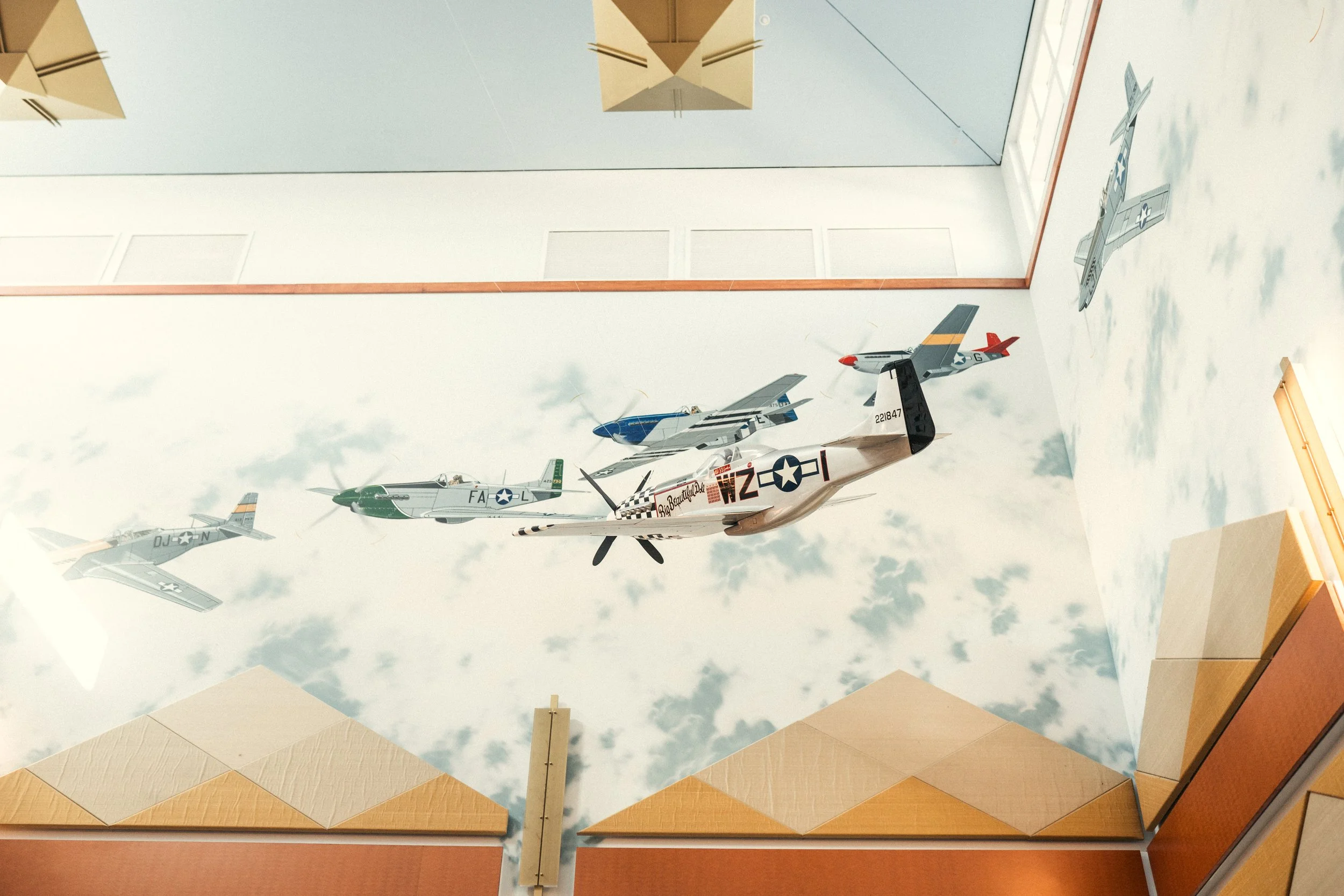
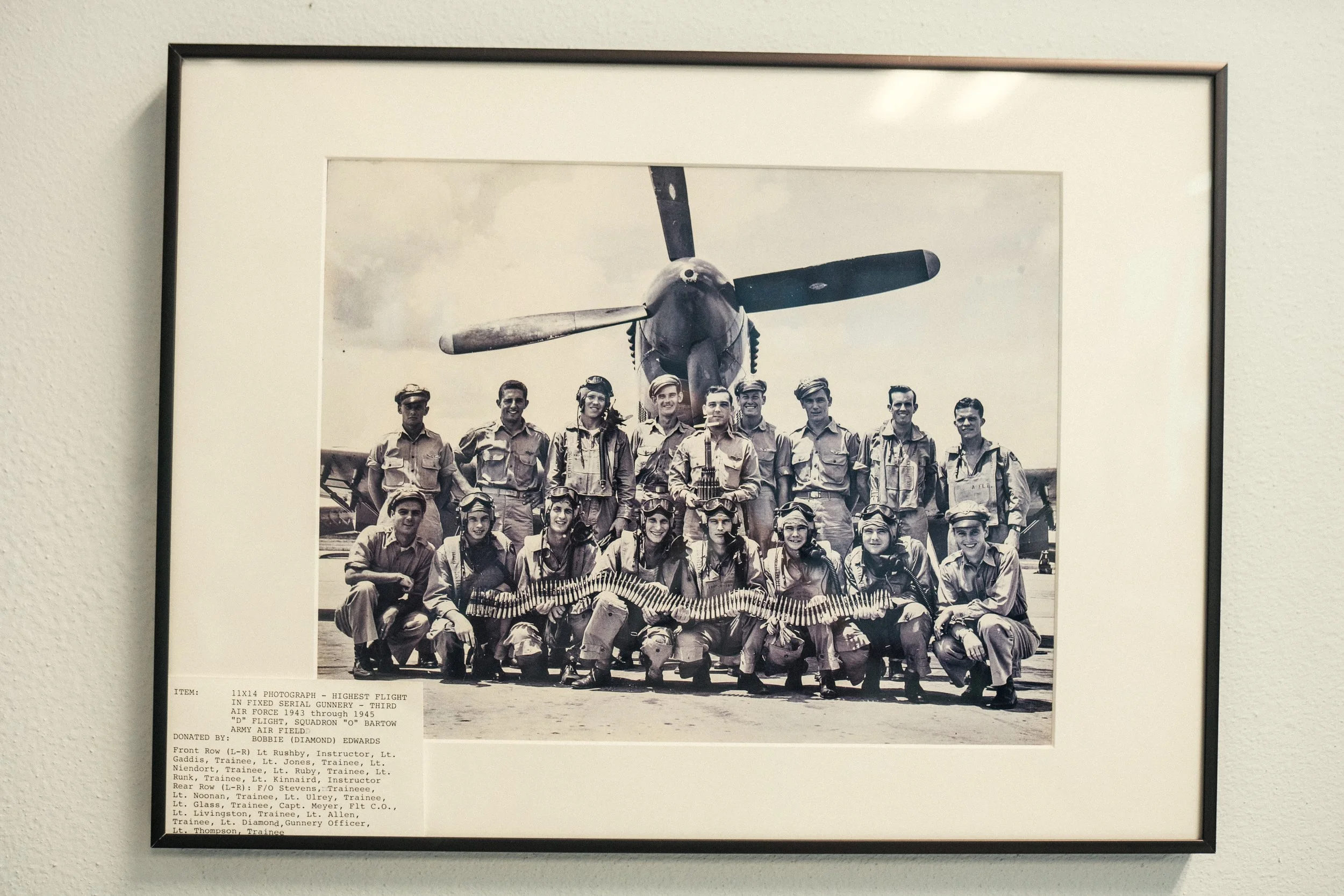
It’s no surprise there is a museum inside the airport, as its rich history dates back to when the Army opened it in 1943 and then the government transferred ownership to the City of Bartow in 1947.
It was briefly commandeered by the Air Force as a civilian-contracted Air Force base for primary flight training until 1961.
The Bartow Airport Authority was instituted in 1967 as a dependent special district of the city, managing the facility since then, meaning the Authority doesn’t receive direct tax revenues and operates like a business who owns the roadways, buildings and utilities.
“We’re what you call a non-federal control tower. There are very few….only two in the state of Florida,” Helms explains. “And… we have [one of] the oldest continually operated air traffic control towers in the country.”
Helms, who has been at the helm as executive director for eight years, says he loves working in a county where all four municipal airports work collaboratively together to do the most possible for citizens and visitors by serving their niche and working as colleagues instead of competitors.
The airport participates in the James Ray scholarship program through the Aerospace Center for Excellence and has a strong connection with SUN ‘ n FUN.
Learn more at bartow-airport.com
863.533.1195 | 5993 Airport Blvd.