
The Charm and the Challenge
Managing the Labor of Love that Comes With Purchasing a Historic Home
Photos by Jordan Randall
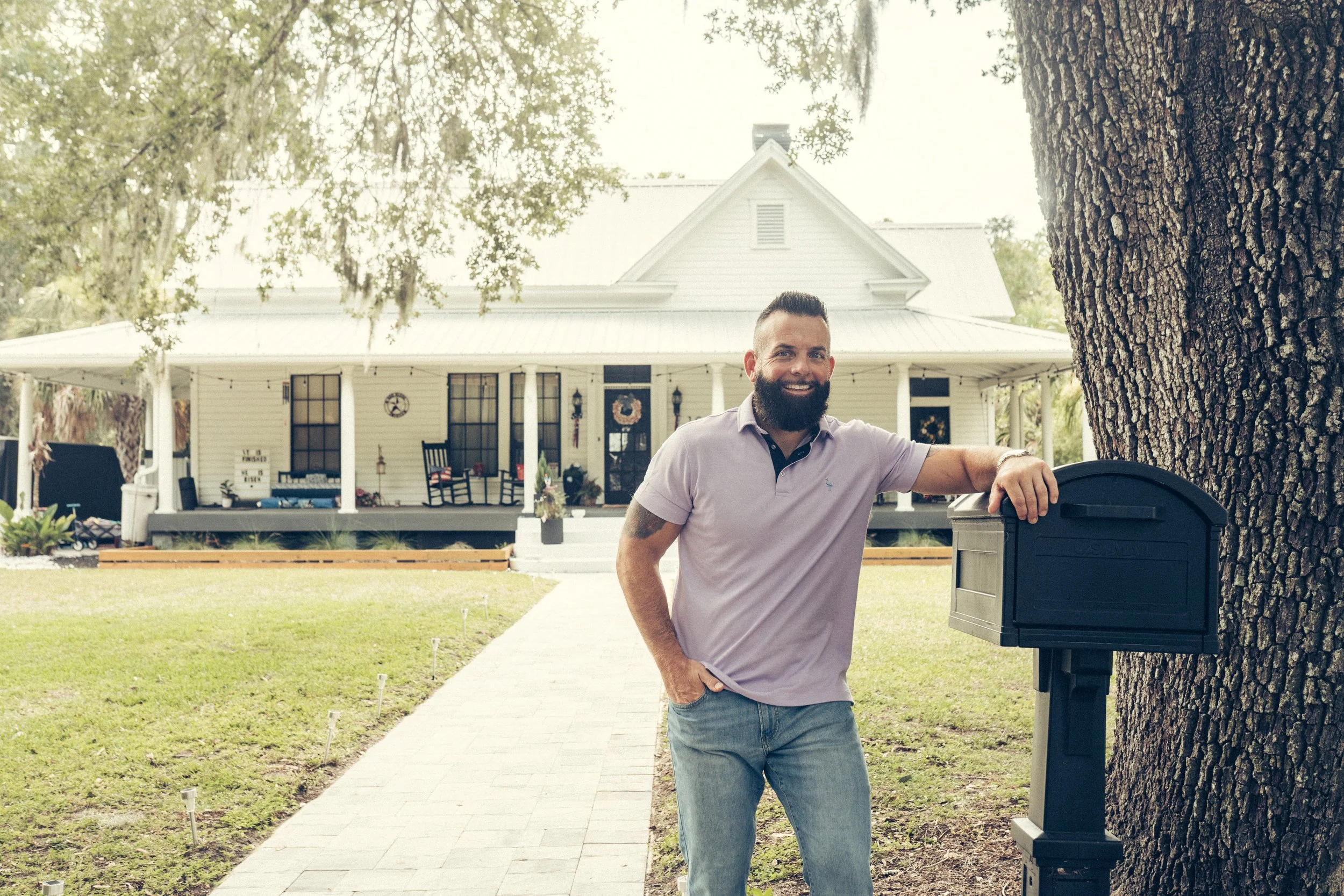
More than a century ago, Bartow began to blossom. As the advent of railroads brought industrial opportunities, eager entrepreneurs flocked here and turned a point on a map into a thriving town. With that, families settled and built stately homesteads.
Today, Bartow is a mirror of its past. The railroad tracks running through the downtown area are a remnant of its former commercial success. The close-knit connection is rooted in small-town heritage.
Its historic architecture remains, and with that, there is a vibrant and intriguing market of older homes.
The buying process, as with any home, is more complex than meets the eye, and with age comes a bit more keen assessment and education that is required.
Understanding Bartow’s Historical DistrictS
Bartow’s historic buildings, dating to the late 19th and early 20th centuries, are clustered into three distinct districts: the Bartow Downtown Commercial District, the South Bartow Residential District and the Northeast Bartow Residential District.
“You can go pretty much anywhere in the downtown Bartow area and see a portion of a historic district,” said Craig Burke, broker/owner of Craig Burke Real Estate Group.
The Downtown district is the heart of the Bartow community. Along the beloved Main Street are business centers that have served the community throughout every era. One of the most iconic historical structures in this area is the old courthouse, which now is fittingly home to the Polk County History Center.
Residential districts are just a short drive from Main Street. Most of the houses are united by the wood frame vernacular style, a simple but nostalgic design made from readily-available lumber.
The South Bartow area is the most extensive of the historic districts. It is 110 acres, features two schools and several churches. Roughly bounded by Floral Avenue and First Avenue, the district is best centered at Wabash Street. Some properties receiving notable attention include the home from the renowned “My Girl” movie and the L.B. Brown House.
Located around the intersection of Church Street and Oak Avenue, the Northeast Bartow District includes 27 historic homes. Though the standard wood vernacular design dominates this neighborhood, each house has a distinctive look reflecting the deliberate development that accompanied the town’s initial expansion.
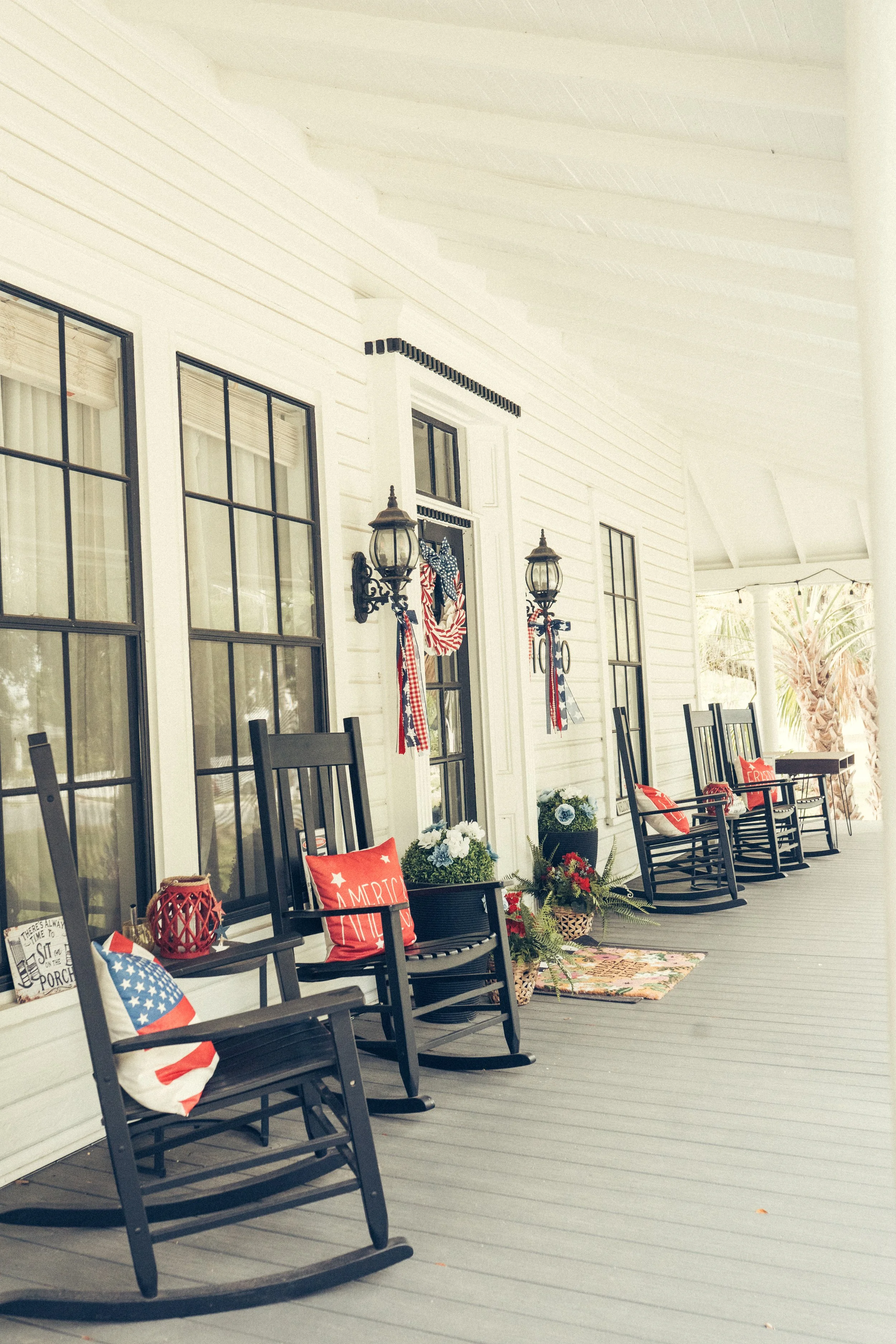
These houses are reminiscent of the past, welcoming new memories to be made. The alluring character in their design is unparalleled by modern architecture. Homeshoppers are captivated by their charm.
Yet the ambition to buy a quaint historic house in Bartow must be balanced with an understanding of its stark realities. When you talk to home professionals, you quickly realize that purchasing one of these properties requires a great deal of patience and an education on the finer points of structures built even before the Great Depression.
“They absolutely will reward dedication, but they will punish neglect,” stated Stephen Whittington, a local certified home inspector and owner of Whitt Inspections, LLC.
First Steps
A homebuyer might be surprised that in many cases, the purchase price of historic homes in Bartow is more affordable than imagined. Prices can range between $170,000 and $1.7 million, but most are around $300,000 to $400,000 depending on size and amenities. However, these properties can be buried in other hidden costs, such as upkeep and insurance.
Monetary costs are not the only investment that these homes demand. The amount of time, maintenance and renovation that must be devoted can be a lot to take on.
“Getting in front of somebody who's in the industry and doing it all day, every day, for a living is the best first step,” said Frankie Floyd, a Bartownian and loan officer for Edge Home Finance.
Working with an honest team who is willing to prepare their clients to make an informed decision is the beginning to successful historic home shopping.
Frankie, and his wife, Yolanda, a local realtor, are no strangers to old homes. In fact, they live in a home on Oak Street that was built in 1920.
All Things Financial
Though the asking prices for historic homes are often agreeable, the insurance costs can be daunting for someone on a strict budget.
A recent article by Liberty Mutual notes, “Historical homes—including those on the National Register—often cost more to insure due to aging systems, outdated materials, and structural wear that raise the risk of damage.”
Finding the right local finance professional can help you navigate the unique aspects of purchasing a historic home, as lenders may require information about deed restrictions, easements or historic designation regulations.
When Frankie is working with prospective buyers, he runs through property-specific scenarios to help them understand the loan options, potential home-buyer programs they qualify for, etc. His goal is not just to help individuals and families find the right home, but to set them up for future financial stability.
Florida does not have federal historic rehabilitation tax credits, but it’s wise to educate yourself on specialized grant and loan programs that might fit a specific property.
Floyd's goal is not just to help individuals and families find the right home, but to set them up for future financial stability.
Always Inspect
The inspection process is crucial to understanding the truth about a historic property. Before an inspector even enters a house, they may be able to catch a common problem upon first glance: structural damage. A slanted roof or any other odd shape to the building may indicate an underlying issue that needs thorough examination, and may play into a potential offer submitted on the property.
As Stephen explained, an inspector’s role is similar to a general practitioner in medicine. If they sense a complication after reviewing the house visually, they will refer their client to an expert.
Craig concurred with that assessment: “That's where you're going to be able to kind of put the pieces to the puzzle together and kind of get a clear roadmap of what's going on with the house.”
A Grand Opportunity
The blend of nostalgic appeal and the opportunity to write the next chapter in a long-form story make owning a piece of history compelling. Many local real estate agents have purchased and renovated older homes themselves, and local professionals are ready to help you be informed throughout what can be an overwhelming process.
Don’t be afraid to go vintage, but understand that buying and keeping up with a historic house is certainly a labor of love.