The House That Love Built
Inside Bartow’s Historic Mann Manor
Photos by Jordan Randall
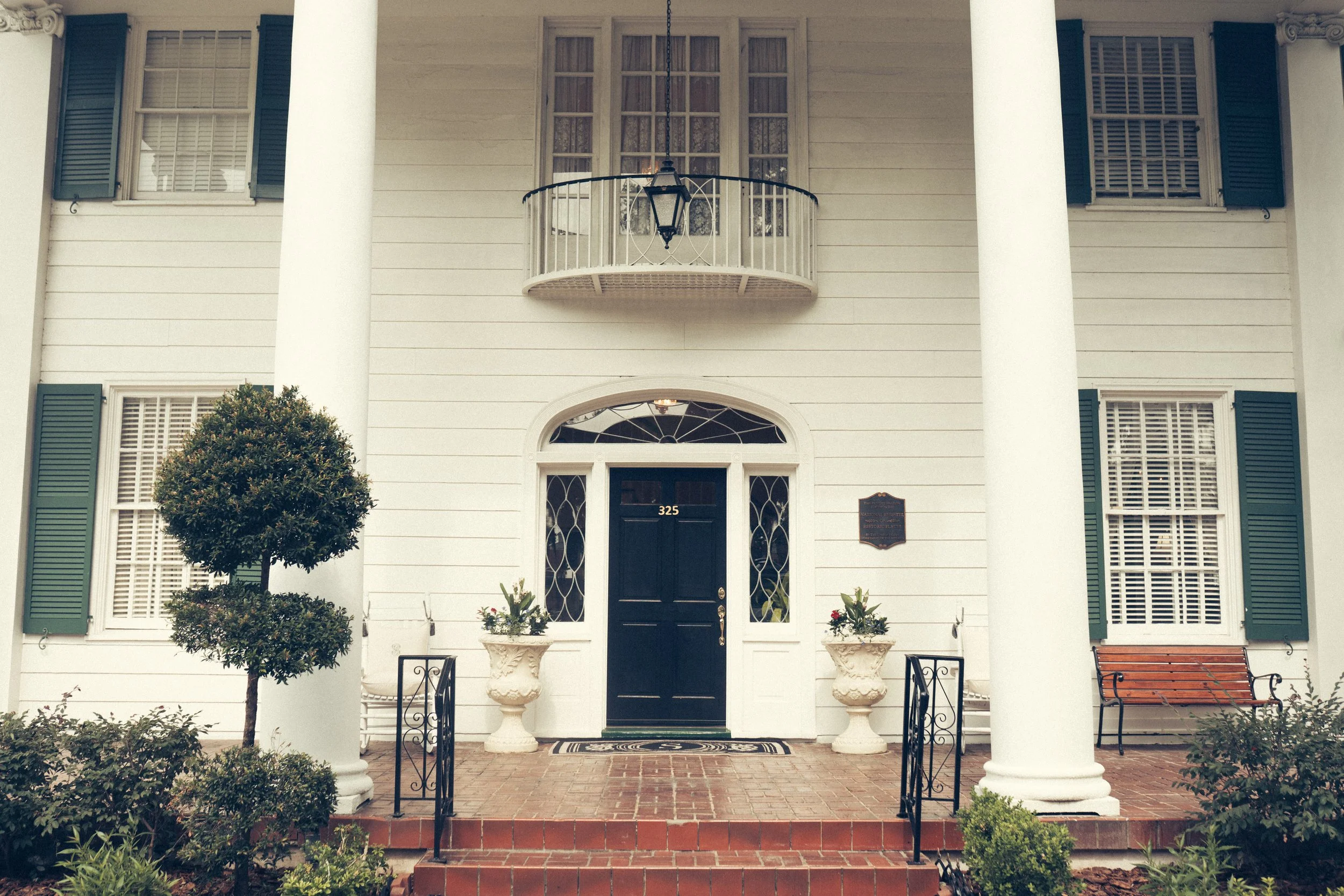
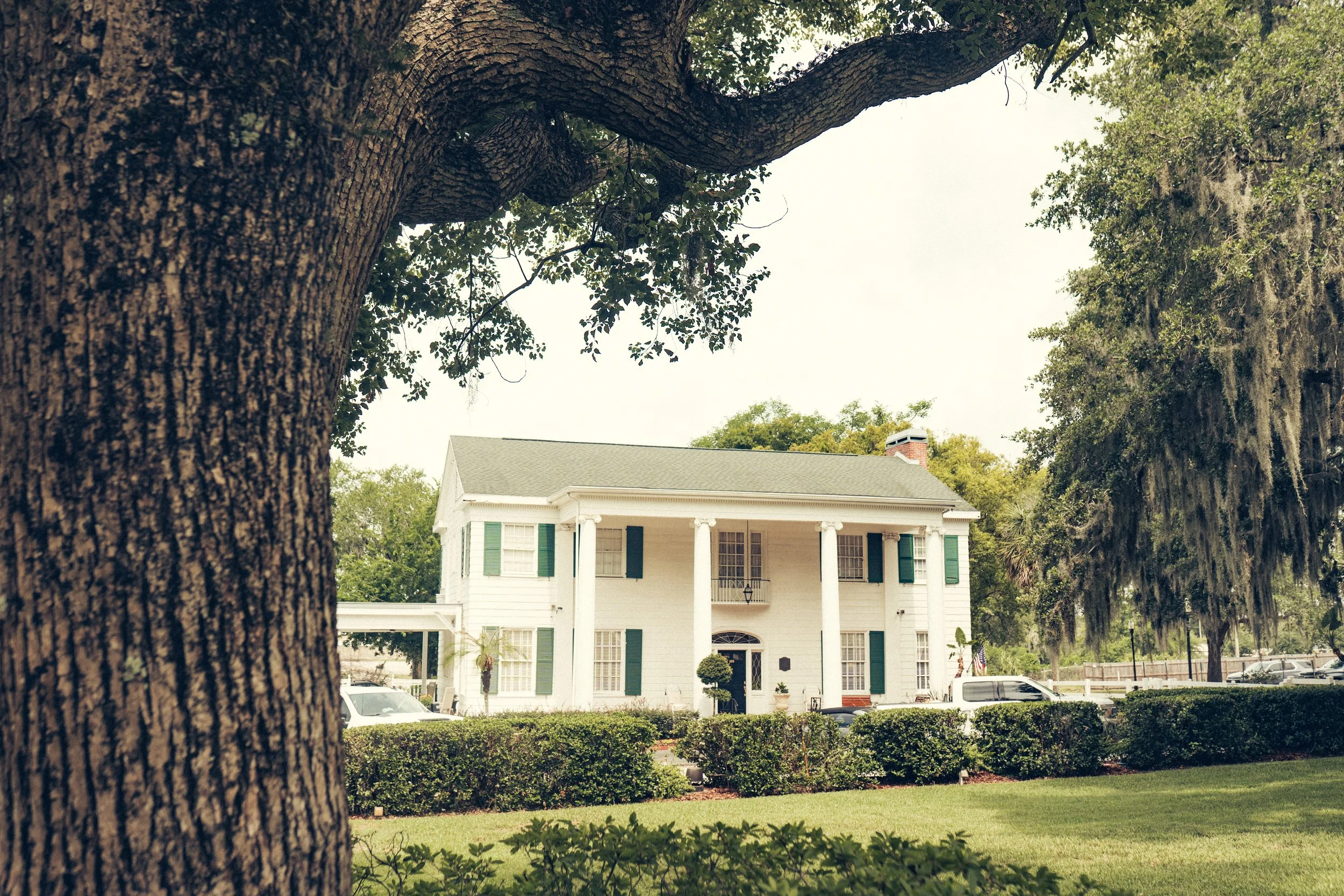
On a shaded stretch of West Main Street in Bartow, behind sweeping columns and beneath the canopy of old Florida trees, stands one of Polk County’s most enduring architectural treasures: Mann Manor.
Today, the stately Colonial Revival home at 325 W. Main St. serves as the home of Sutton Law Firm. But long before legal clients crossed its threshold, the mansion represented something far more personal—a final love letter from cattle baron George William Mann to his wife, Kate “Dear” Mann.
“This is the home that love built,” says Bartow historian Lloyd Harris.
Nearly a century after its construction began, the mansion remains a striking symbol of Bartow’s pioneer history, Florida’s cattle empire and the determination of the people who preserved it.
A Pioneer Family’s Journey South
The story of Mann Manor begins decades before there was ever a blueprint for the house.
George William Mann was born in 1865 in Brooks County, Ga. during the final months of the Civil War. The devastation left across the South pushed his parents, Dr. Americus Vespucius Mann and Georgia Ellen Mann, to seek a new life in Florida.
In 1866, the family traveled south by wagon with four small children, a milk cow and a flock of chickens. Their destination was Tampa, but upon arrival to the area they encountered a yellow fever outbreak and instead moved inland to the tiny frontier settlement of Bartow.
“At the time, Bartow had a population of about 150 people,” Harris says.
The Mann family quickly became woven into the fabric of the growing town. Dr. Mann practiced medicine and also ministered to residents during difficult postwar years before dying of tuberculosis in 1869. His wife, Georgia Ellen, raised the children alone, an extraordinary feat for a woman in frontier Florida.
“She turned her home into a boarding house, taught school and even helped with courthouse record keeping,” says Harris who notes she was admired for her courage and perseverance—a trait George Mann seems to have inherited.
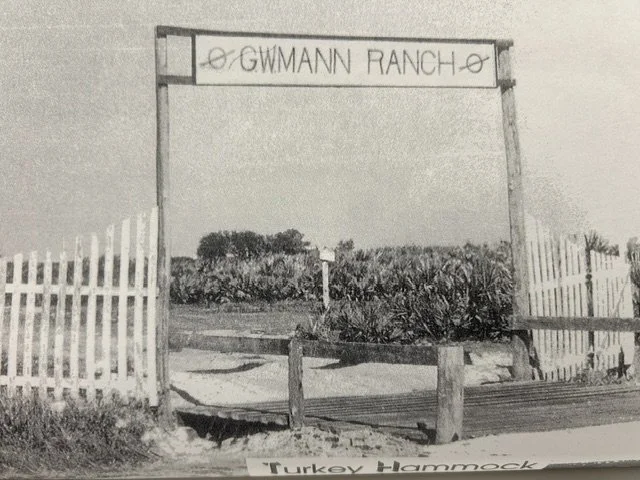
By age 9, George was carrying mail between Bartow, Tampa and Fort Meade. As a teenager, he worked cattle trails and eventually built a ranching empire spanning tens of thousands of acres across Central and South Florida.
After the Spanish-American War, Mann entered the cattle shipping business, transporting livestock and lumber to Cuba aboard sailing schooners. His fortune grew rapidly. But the most important thing he found during those years wasn’t land or cattle—it was Kate Douglas Randall.
The Woman Behind the Manor
George met Kate in Fort Myers, where the young Mississippi native quickly became the love of his life. They married in 1900 and built a family together, eventually settling in Bartow with their five children.
Kate became known throughout the community for her warmth, social grace and love of beauty.
“She was very involved in Bartow’s social scene and was especially known for her attention to the landscaping and grounds,” Harris says.
Many of the mature trees and plantings still surrounding the property today trace back to Kate’s vision, including one of the estate’s most unique features: a rare silk floss tree with a thorn-covered trunk and dramatic pink blooms.
As George Mann’s cattle empire expanded, so did his desire to create a grand home worthy of his wife. Construction on the mansion began around 1925 during the height of Florida’s land boom. At the time, Bartow was thriving.
The city was considered one of the wealthiest communities per capita in Florida thanks to the booming cattle, citrus and phosphate industries. New theaters, hotels, civic buildings and elegant homes transformed the town during the Roaring Twenties.
But prosperity soon gave way to hardship.
Bank failures and the Great Depression slowed development throughout Florida, and historians believe construction on the Mann home stretched over many years—possibly even into the early 1940s.
George Mann died peacefully in his sleep in 1935 without seeing the project fully completed. Still, the dream endured.
“It was said that building the home was one of George’s final wishes for Kate Dear,” Harris says.
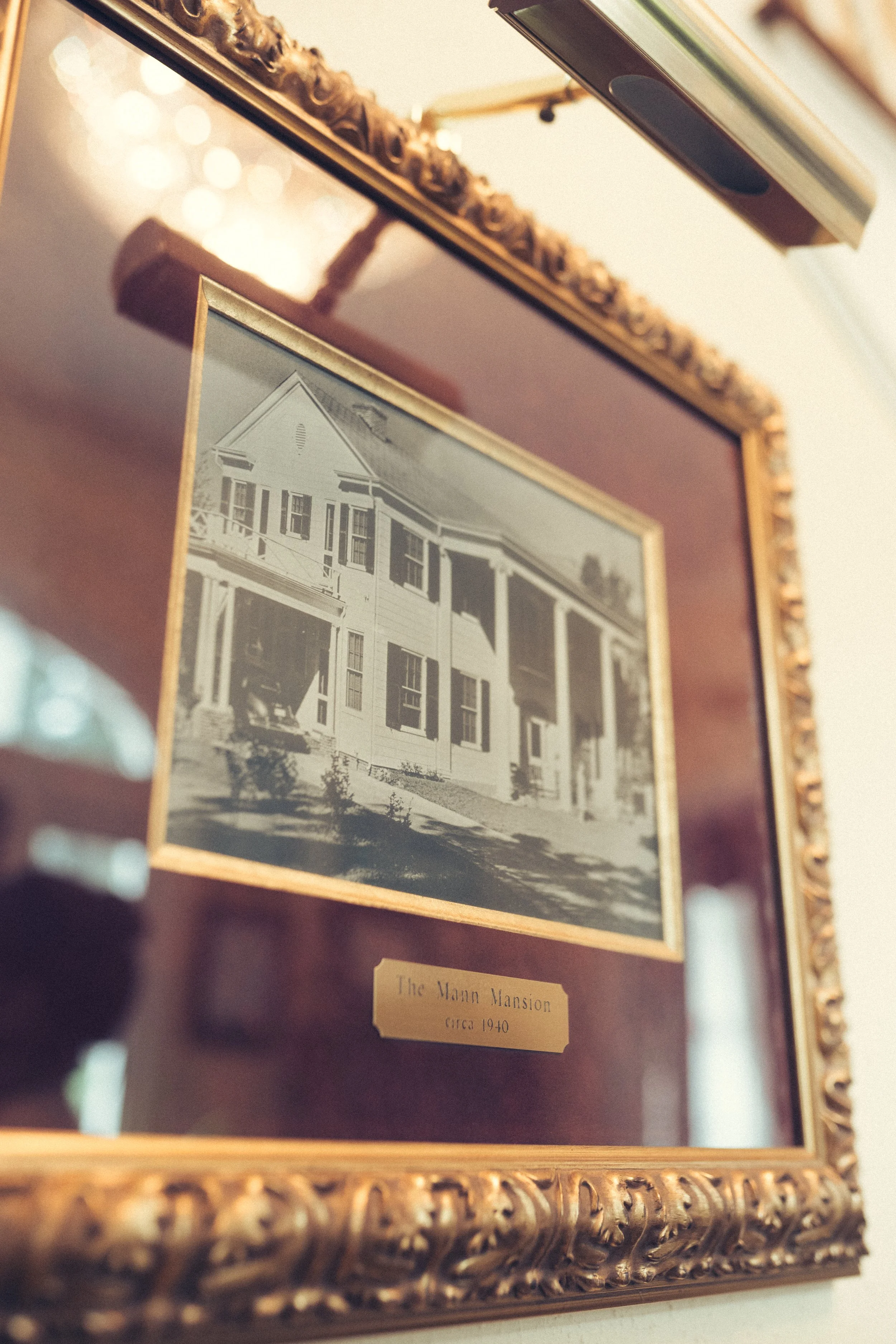
Mann Manor has long been a revered piece of architecture on a gorgeous centralized property in the heart of Bartow.
Colonial Grandeur in the Heart of Bartow
Even today, Mann Manor commands attention. The two-story Colonial Revival home features towering Ionic columns, a grand two-story portico and symmetrical architecture reminiscent of classic Southern estates. Its leaded-glass fanlight transom, original wood sash windows and brick chimney reflect the craftsmanship of the era.
“The architecture promotes a sense of stability, success and old-world elegance,” Harris says.
The home’s design earned it a place on the National Register of Historic Places in 2011. Yet the mansion’s history nearly took a different turn.
In 1980, the structure was physically moved farther west on the property after a small sinkhole threatened the original foundation. The relocation gave the home its present address.
Years later, as the building aged and fell into disrepair, its future became increasingly uncertain. According to Harris, there was even discussion of condemning the property in 1998.
Instead, preservation won.
A New Chapter
That preservation effort found an unlikely champion in attorney Debra Sutton.
Sutton Law Firm opened its doors in 1990 directly across the street from Mann Manor. From her office window, Sutton could see the neglected mansion through overgrown vegetation and faded paint. Even in decline, something about the home captured her attention.
“The workmanship, the scale, the quiet dignity of the structure even in disrepair told a story worth saving,” Sutton says.
For years, she watched as “For Sale” signs appeared and disappeared. Multiple offers went unanswered. Then, in 1998, after nearly a decade of waiting, Sutton Law Firm purchased the property and began an extensive restoration, ensuring one of Bartow’s most recognizable historic residences would survive for future generations.
Many questioned the decision.
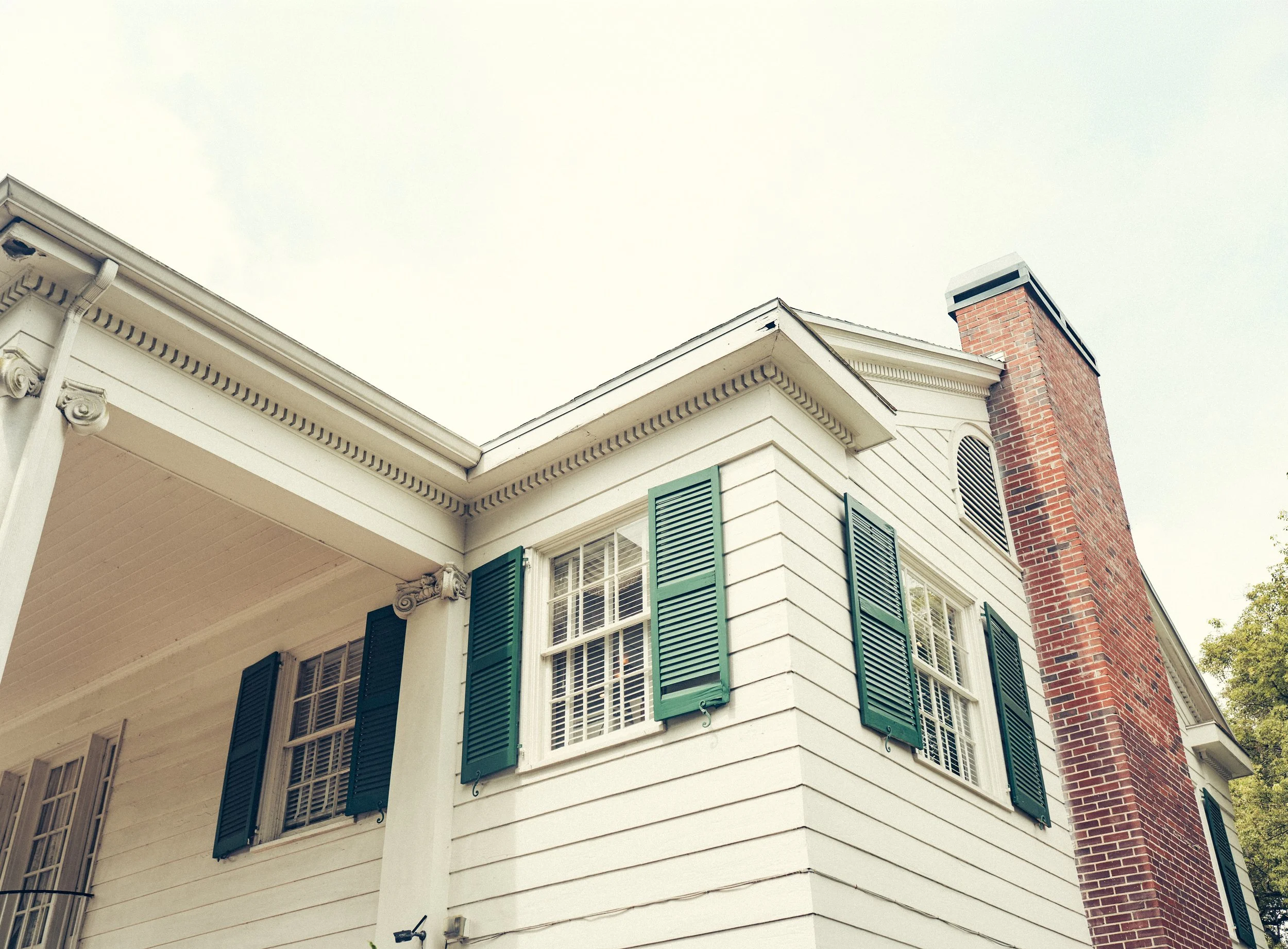
“The architecture promotes a sense of stability, success and old-world elegance.”
“Naysayers cautioned that restoration was a gamble too great, that the building was better suited for a wrecking ball than a law firm,” Sutton recalled.
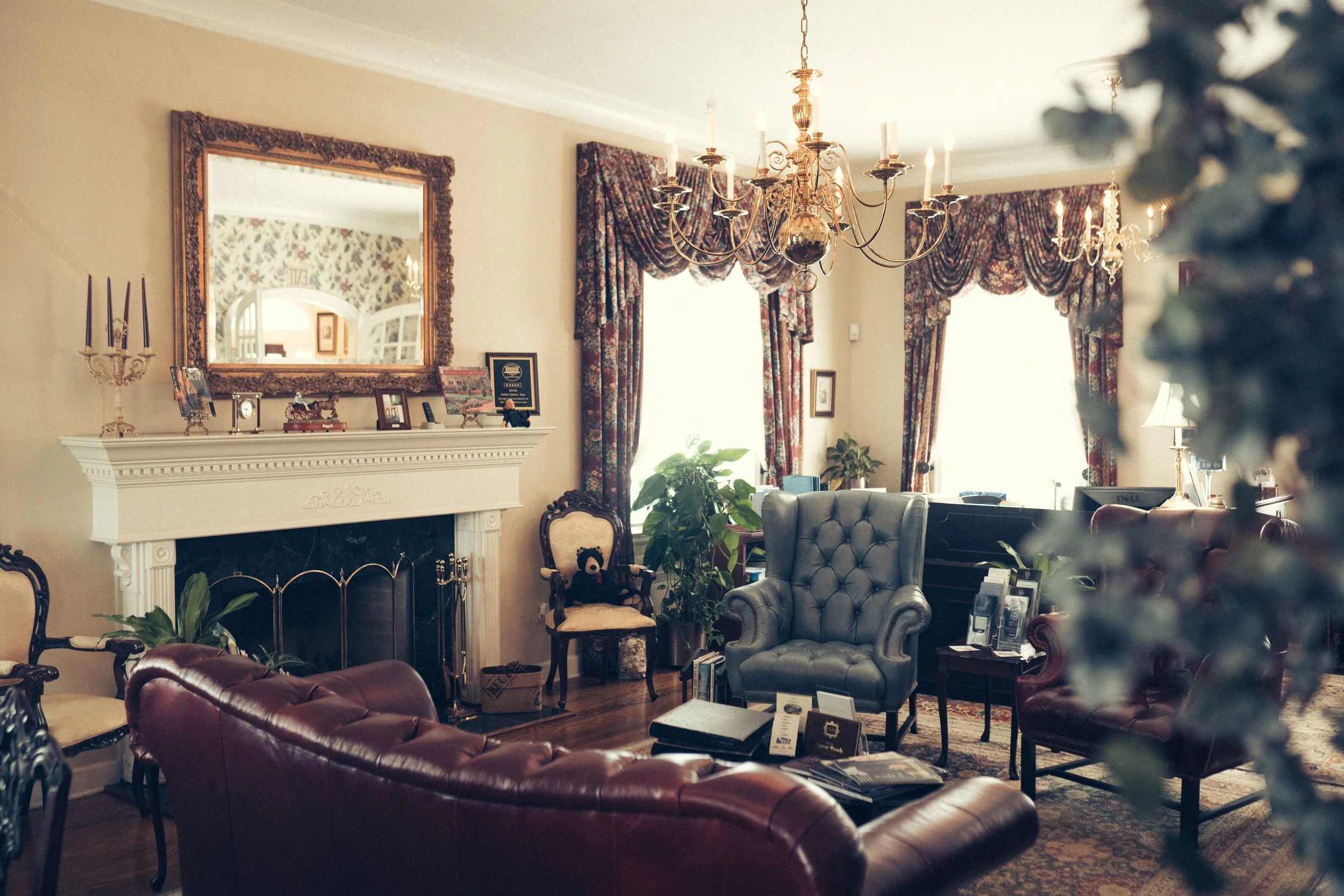
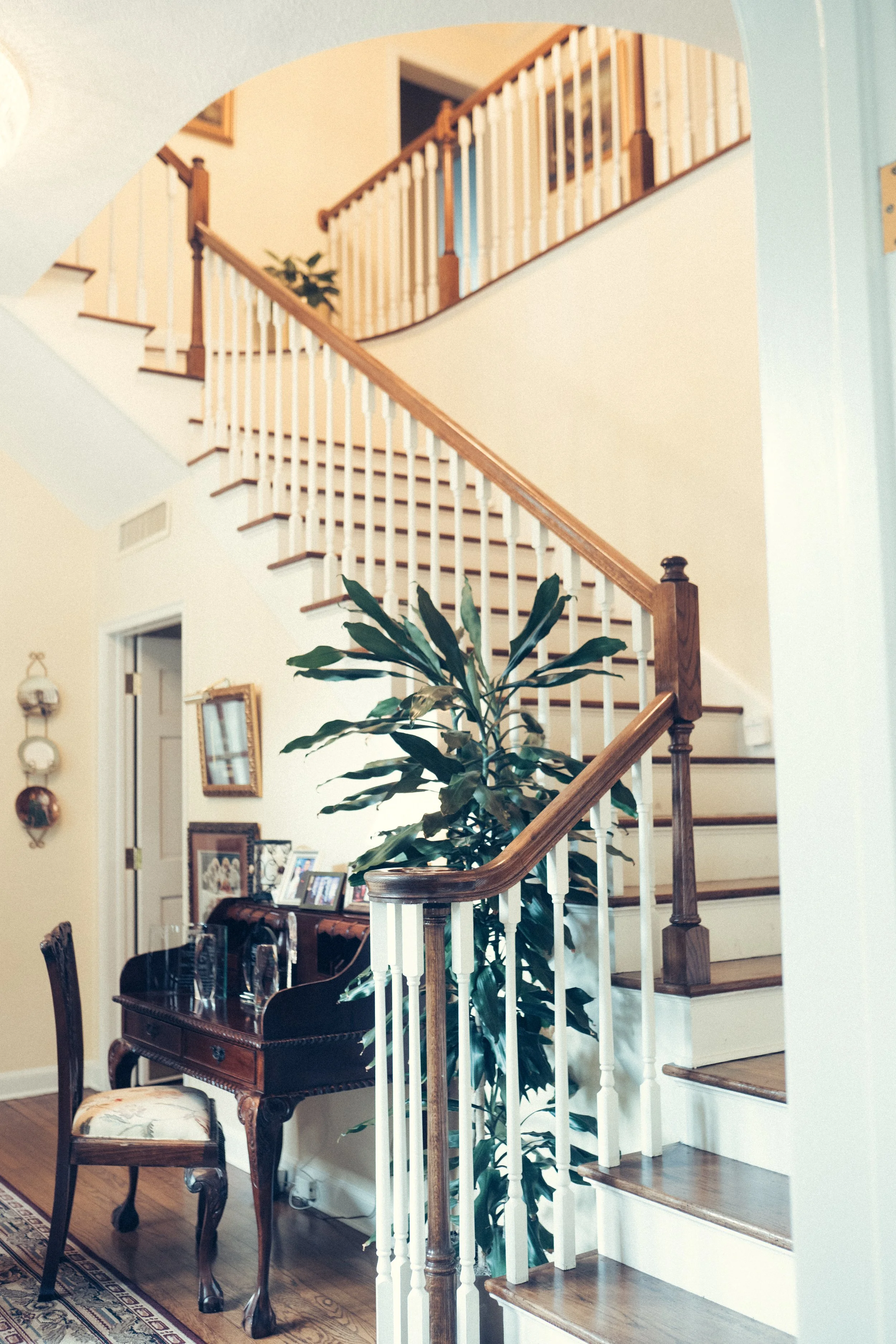
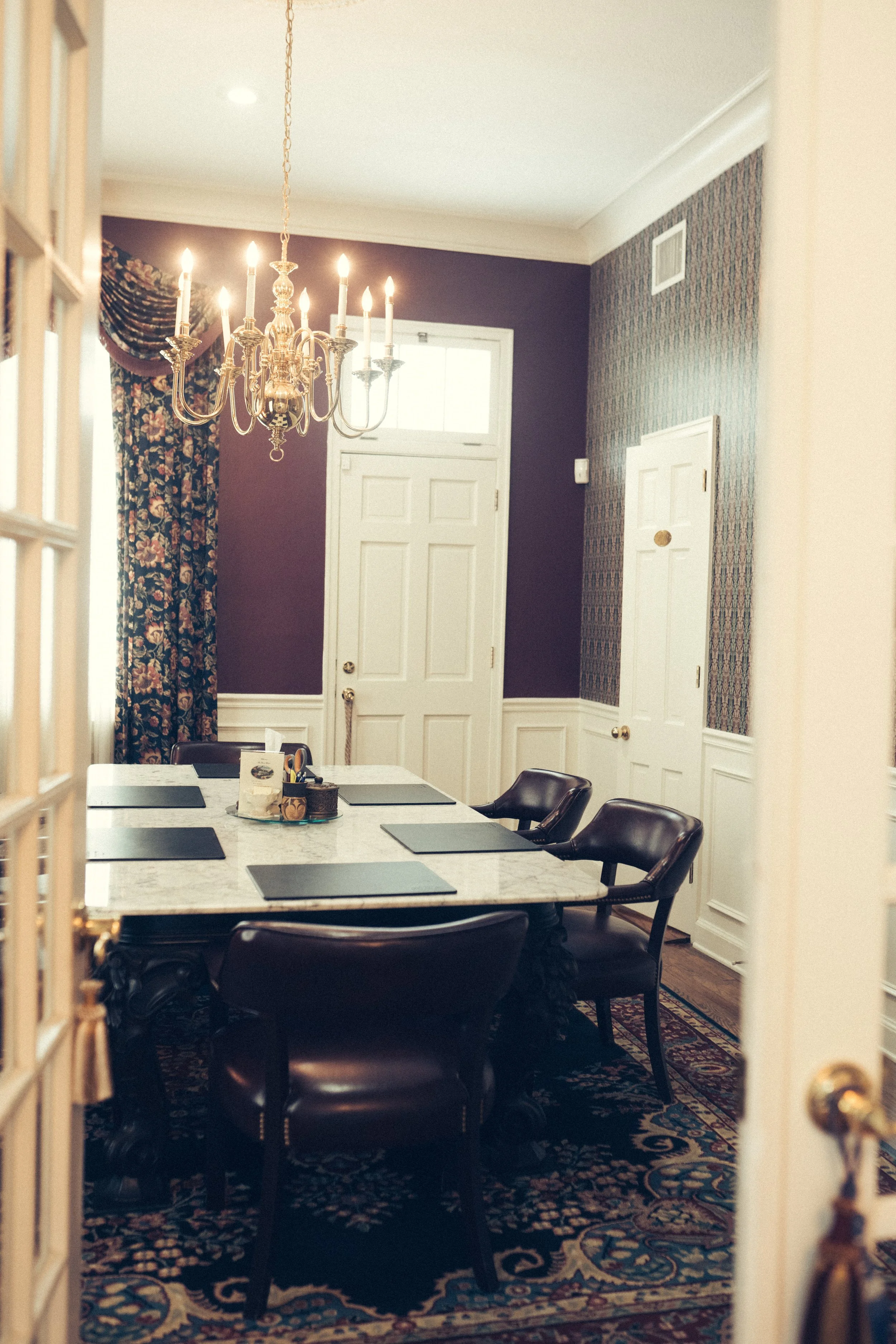
Instead of modernizing the structure, Sutton committed to restoring it as faithfully as possible. Original red oak floors were uncovered beneath worn carpeting. Historic details were researched and preserved. Period-appropriate fixtures replaced decades of alterations. The goal was not simply to renovate a building but to honor the story George Mann built into it.
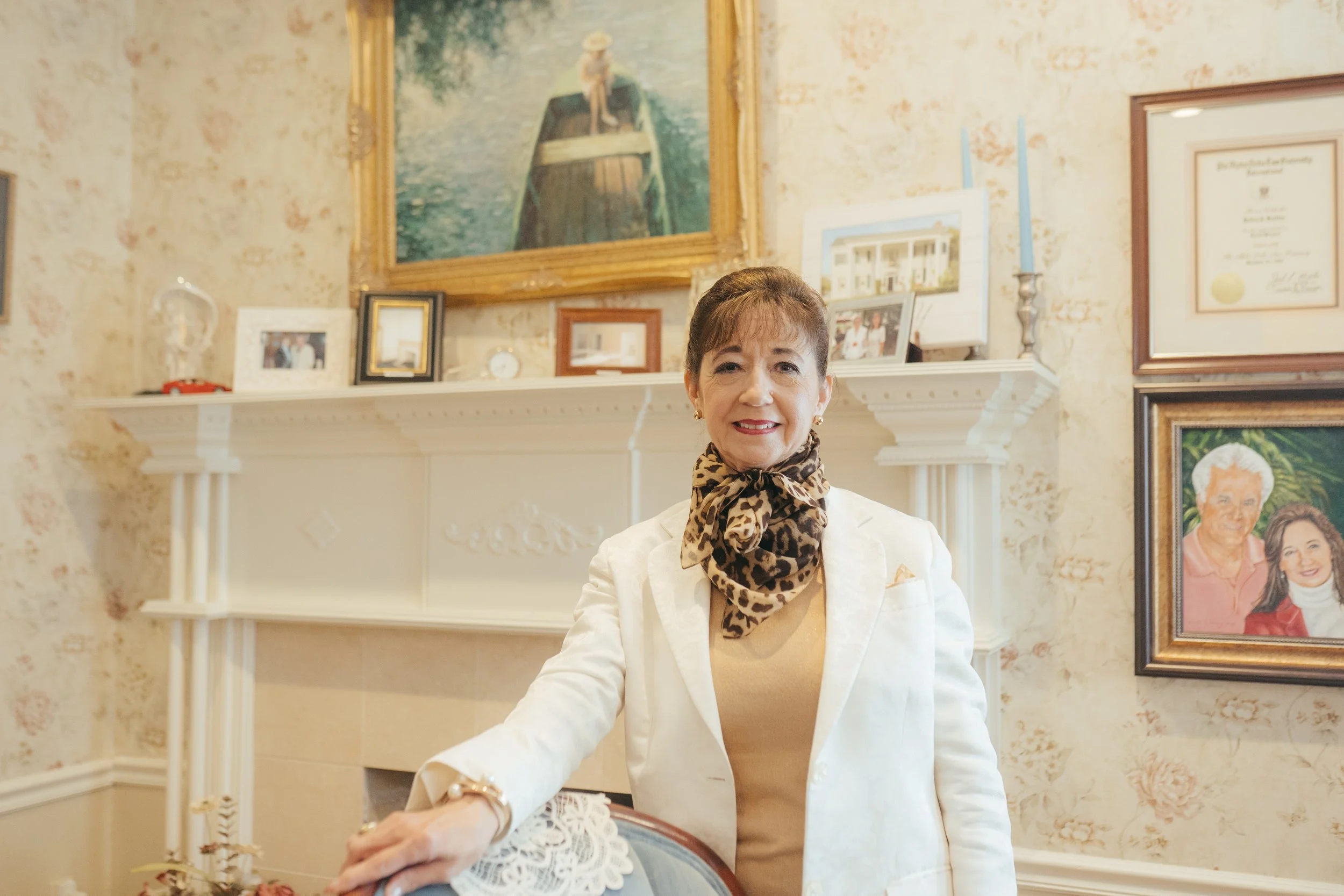
DEBRA SUTTON, Owner of Sutton Law Firm
“There was never a question of whether the Manor should be remodeled into something more modern with just a hint of history,” Sutton says. “It was always clear—she had to be restored to her original look, feel and purpose.”
The curtains in the Purple Room match iconic ones that can be found in the White House, and the magnificent chandelier in the foyer has crystals fit for Buckingham Palace, where you can actually find their match.
Today, Harris credits Sutton and the firm for preserving not only the structure itself but also the spirit of the property.
“They’ve maintained the elegance and integrity of the home while giving it a modern purpose,” he says.
The mansion’s continued use as an active professional space is part of what keeps it alive. Rather than becoming frozen in time, Mann Manor remains woven into Bartow’s daily life.
Clients, tourists, school groups and architectural enthusiasts regularly visit the property. Some come for legal services. Others arrive to admire the architecture, study its history or photograph the National Register plaque.
For Sutton, the atmosphere is intentional. She believes historic places offer something modern buildings often cannot—a sense of permanence, comfort and connection. For clients arriving during some of the most difficult moments of their lives, Mann Manor provides more than office space; it offers reassurance.

Why Mann Manor Still Matters
For Bartow residents, Mann Manor is a physical connection to the people who shaped early Florida. The home ties together multiple chapters of local history: pioneer settlement, cattle ranching, economic booms and busts, historic preservation and civic pride.
It also stands as one of the few surviving Colonial Revival homes in Bartow’s historic district.
“Places like Mann Manor continue to capture people’s imagination because they represent permanence,” Harris says. “They remind us of craftsmanship, family legacy and a vision larger than one generation.”
That sense of stewardship is something Sutton embraces.
“We see ourselves as caretakers, not owners in any permanent sense,” she says. “The responsibility is to preserve this place, to share it and to pass it forward better than we found it.”
“Naysayers cautioned that restoration was a gamble too great, that the building was better suited for a wrecking ball than a law firm.”
Outside the courtroom, Sutton is also a competitive ballroom dancer who has competed at national events, including the Ohio Star Ball and the United States Dancesport Championships. While seemingly unrelated, she sees similarities between preserving a historic landmark and mastering a dance.
“In order to be good at either, one must practice, seek education, learn from those more accomplished and hold firmly to the belief that you can always be better tomorrow than you are today,” she says.
Nearly 100 years after George Mann set out to build a dream home for Kate Dear, the mansion still fulfills its purpose. Not simply as a beautiful structure, but as a living story.
And in Bartow, where history still lingers beneath moss-draped oaks and along brick-lined streets, Mann Manor remains one of its most remarkable chapters—a home built from love, preserved through determination and entrusted to a new generation of caretakers.