
Early Intervention Leads to Success at Bartow High
Developed in partnership with Polk County Public Schools
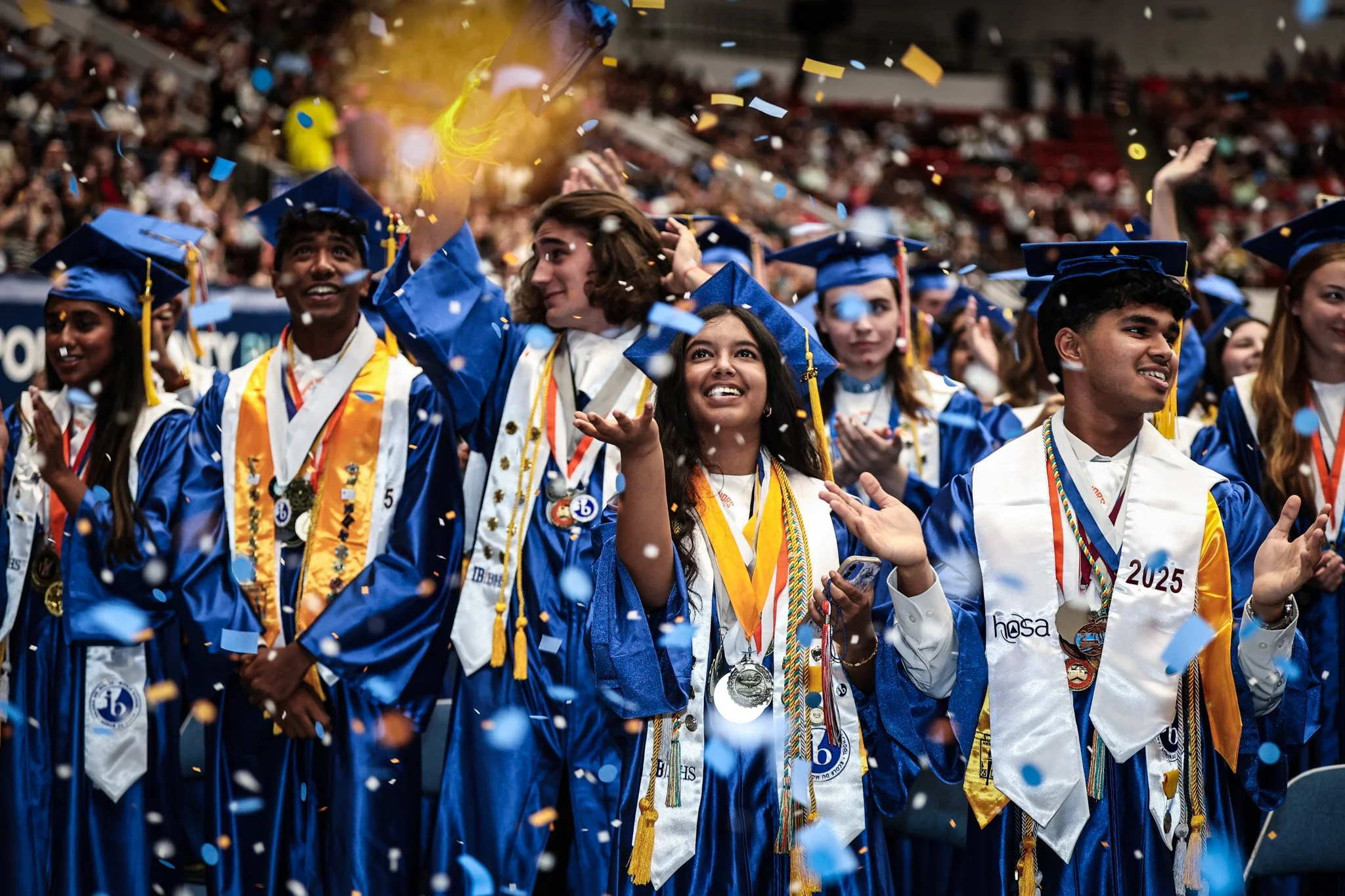
The confetti, excitement and tears of joy are all common sights on graduation day.
But what isn’t as easy to see are the months of hard work invested in getting students across the stage with diplomas in their hands, as they take their first steps into their future beyond high school.
Recently, Florida public schools reached a historic, record-breaking 92.2 percent high school graduation rate for the 2024-25 school year.
Locally, Polk County’s graduation rate also reached a historic height, increasing to a record 87.7 percent, thanks in part to many high performing schools, including Bartow High School.
The school achieved an impressive graduation rate of 96 percent, setting a benchmark for educational excellence in the region.
Comprehensive Approach to Student Success
Behind the scenes, Bartow High focuses on a comprehensive approach to ensuring students—especially those facing challenges—receive the guidance and encouragement necessary to cross the finish line.
Success begins with early identification of students in danger of not graduating.
“The earlier we can discover the risk factors threatening a student’s chances of graduating the better,” said Principal Lance Lawson. “Our focus then becomes figuring out what it will take to get this student on track.”
Some risk factors include:
- Chronic absenteeism
- Failing grades
- Incomplete credits
- Behavioral referrals
- Lack of engagement or motivation
- Getting to the root cause of these factors is the mission of the school counselors and student success coach.
Consistency is Key
“Our team begins to pinpoint which students need extra support and individualized coaching,” said Jason Rogers, student success coach at Bartow High. “The more risk factors a student exhibits, the more frequently they are scheduled for coaching sessions.”
If the student has one or two risk factors, then that student would be scheduled for a bi-weekly or monthly check-in. For students with three or more risk factors, they may need more intensive interventions and will be scheduled for weekly or bi-weekly sessions.
“These meetings are designed to build trust, set achievable goals and provide accountability,” Rogers said.
“We work closely with students to address academic hurdles, personal challenges and future aspirations,” he said. “Every student is different, and our goal is to find out what they need to overcome their obstacles.”
Bartow High also recognizes that parental involvement is crucial. When a student is identified as at-risk, the school conducts parent conferences to discuss progress, set goals and explore alternative educational options if necessary.
These meetings are collaborative, focusing on what’s best for the student and ensuring families are part of the solution.
“We want parents to be involved as much as possible,” Lawson said. “We work with them to keep an eye on their child’s grades, set short- and long-term goals, discuss credit recovery or alternative programs, and resolve any barriers to success.”
School counselors and the student success coach maintain regular contact with at-risk students, reinforcing accountability and celebrating milestones. This ongoing support is a cornerstone of Bartow’s high graduation rate.
Bartow High’s graduation rate is a testament to its holistic approach to student success. By identifying at-risk seniors early, providing personalized coaching, engaging parents and maintaining consistent follow-up, the school creates a nurturing environment where every student can thrive.
“This is more than just a number,” Lawson said. “Our graduation rate reflects the dedication of our teachers and staff, the resilience of our students, and the unwavering support of their families.”
“This is more than just a number,” Lawson said. “Our graduation rate reflects the dedication of our teachers and staff, the resilience of our students, and the unwavering support of their families.”